Anúncios
Preparing for a dog adoption home check starts with a realistic picture of the life you can offer. A rescue is trying to match an individual dog to a household, not to reward the most polished application. Write down how your home works on an ordinary weekday as well as at weekends, including who is present and when.
Begin with permission and responsibility. If you rent, obtain your landlord’s permission before progressing with an application. If you live with others, discuss the decision together and be ready to say who will handle feeding, walks, training, veterinary appointments and unexpected changes to the routine.
On this page
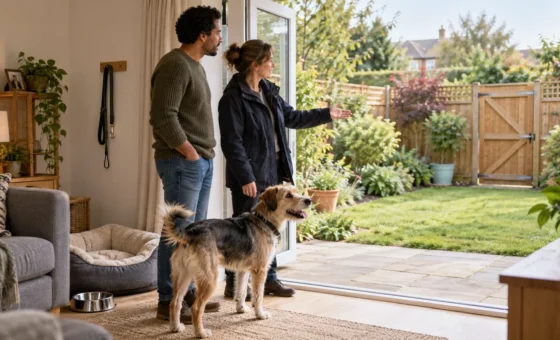
Next, describe the space without overselling it. Include access points, stairs, rooms the dog may use, the outdoor area and any gates or fencing. The useful question is not whether your home looks a certain way; it is whether you can safely manage the dog’s needs there and provide exercise and toilet breaks.
Be specific about time alone. Explain typical work hours, commuting, school runs, travel and the backup you can genuinely rely on. Rescues may need to know how a dog will be introduced to time alone, and what support is available if a schedule changes. A clear plan is more useful than a promise that everything will work out.
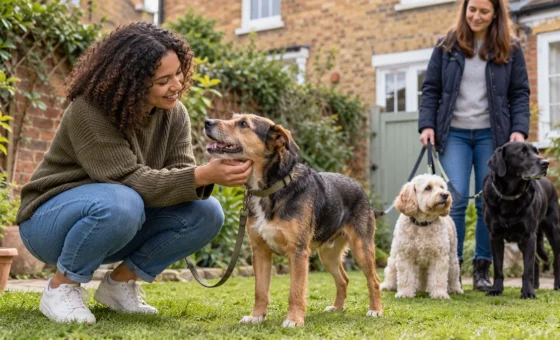
Finally, consider the match from the dog’s perspective. Children, existing pets, visitors, traffic, noise and your experience with training can all be relevant to a particular dog. Woodgreen says it considers lifestyle, home environment and other pets, while Dogs Trust says it considers whether an adopter can meet exercise, diet and training needs.
You will leave for an external site. Official portal. Free access.
Make a clear household plan
Before you apply, have a short conversation with everyone who shares the home. Agree which rooms are available to the dog, where food and household hazards will be kept, and how visitors will be managed at first. If someone has a concern about noise, allergies, mobility or time, record it honestly. A rescue may be able to suggest a dog whose needs fit the household better.
Prepare the details a rescue may need
- Confirm permission Keep written landlord or property permission where it applies, and make sure every responsible adult in the household supports the plan.
- Map the routine List normal departure and return times, walks, meals, toilet breaks, exercise, training and any regular periods when the dog may be alone.
- Check the environment Look at doors, windows, bins, food storage, cables, gates and fencing. Note what will be changed before the dog arrives.
- Describe people and pets Give ages and routines of children, details of existing animals, and the type of contact a dog could expect with visitors or neighbours.
- Plan support Identify realistic help from household members, a dog walker, daycare, a trainer or your vet if the settling-in period needs extra support.
Handle the garden and outside space honestly
Do not assume that having a garden guarantees a match, or that not having one rules you out. Woodgreen says it has rehomed dogs with people living in flats or homes without a garden, while noting that a garden is essential for some dogs but not others. Explain the space you do have and how you would meet the dog’s exercise and toilet-break needs safely.
If you have a garden, inspect it before the conversation rather than making assumptions. Note the gate, fence condition and any access route a dog could use. Dogs Trust says a home visit may look at how the house will be set up and whether a garden is secure where one is present. The rescue can then advise on the needs of the dog it is considering.
Talk about routine, training and settling in
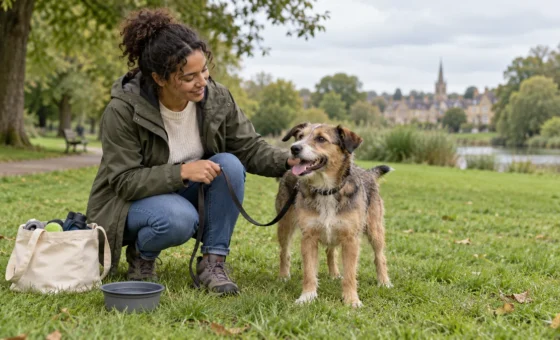
A rescue dog may need time to adjust, and some dogs need ongoing training. Avoid committing to arrangements you cannot sustain after the first week. Instead, explain what you can do consistently: gradual introductions, predictable feeding and walking times, patient training and a plan for advice if behaviour or health concerns emerge.
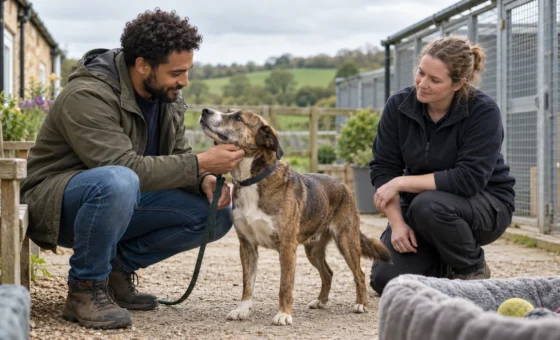
Bring questions as well as answers. Ask what the rescue knows about the dog’s routine, exercise, handling, travel, other animals and training needs. A good decision depends on the information flowing both ways. If a rescue suggests waiting or considering another dog, use that information to refine your plan rather than treating it as a personal failure.
The point of preparation is to make the first conversation straightforward and truthful. When the rescue understands your actual home and routine, it has a better basis for deciding whether there is a suitable match and what support may help the placement succeed.
Frequently asked questions
Do I need a garden to adopt a rescue dog?
Not always. Woodgreen states that it has rehomed dogs with people in flats and homes without gardens, although a garden is essential for some dogs. The individual dog and your overall plan matter.
What does a rescue want to know about my routine?
Expect questions about who lives with you, time away from home, exercise, toilet breaks, training, other pets and the practical support available if your usual routine changes.
Should I fix everything before a home visit?
Make obvious safety improvements, but do not disguise how you normally live. Explain what is already in place and what you intend to change so the rescue can give advice that fits the dog being considered.
Can a rescue say no to a particular dog?
Yes. A rescue may decide that a particular dog’s needs do not fit your current circumstances. That can still help it identify a more suitable dog or show what needs to change before you apply again.